
High reduction in one stage
Intensive impact and inter-particle breakage reduce recirculation demand in suitable applications.
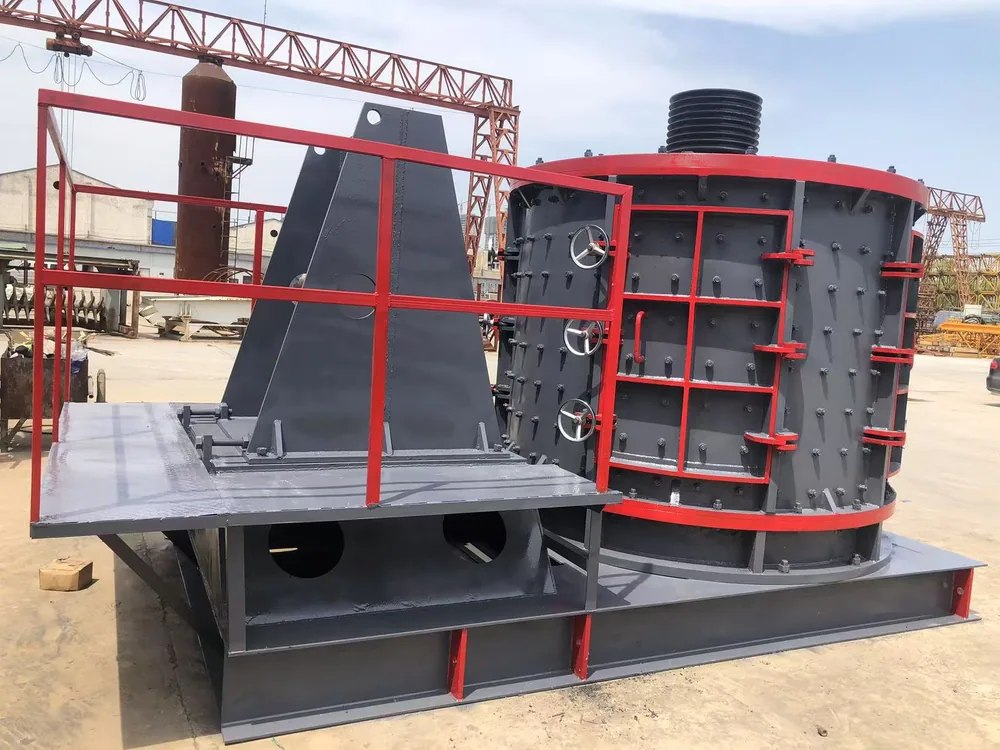
Convert rock, mineral feed and aggregate into well-shaped manufactured sand through high-speed vertical shaft impact, controlled collision and intensive material-on-material crushing.
Feed enters through the hopper and distributor. A controlled portion reaches the high-speed rotor, accelerates through its passages and is projected into the surrounding crushing chamber. The remaining feed forms a material curtain. Collision, impact and friction complete the reduction before gravity discharge.
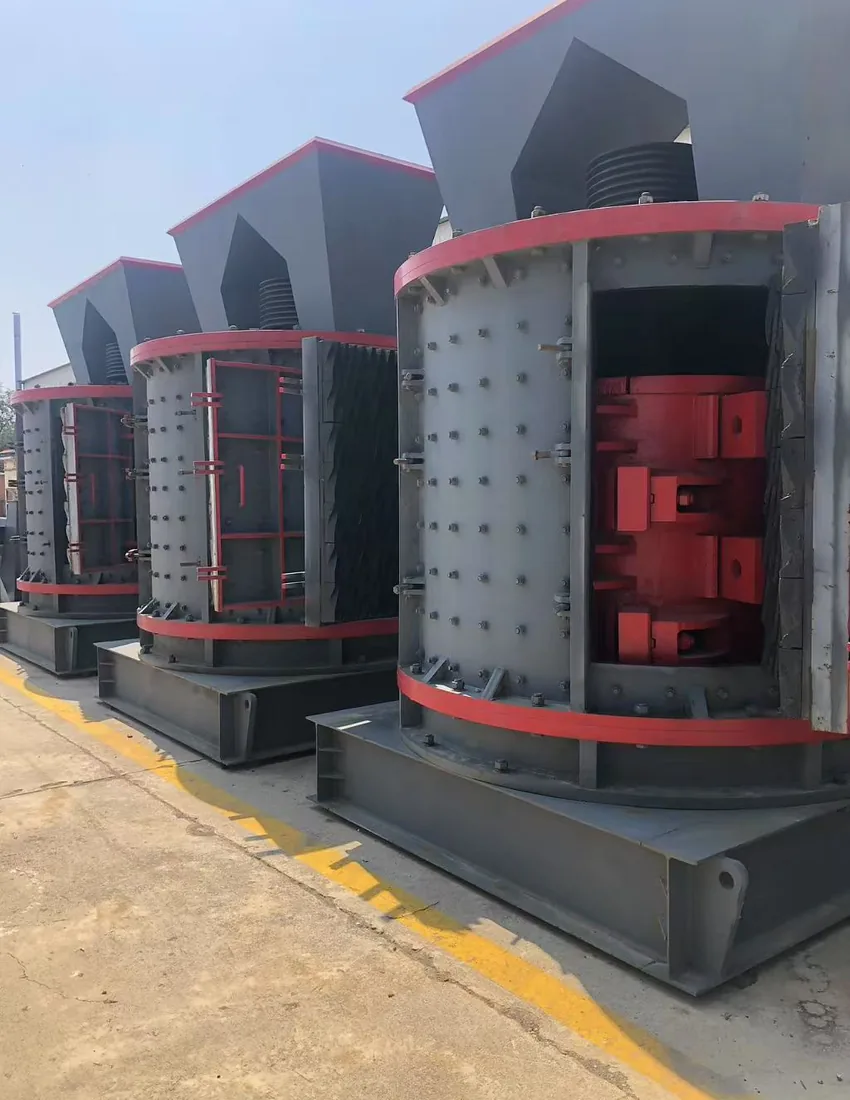
The hopper and distributor stabilize flow and prevent sudden loading that can disturb particle shape or increase wear.
The vertical rotor transfers kinetic energy to part of the feed and directs it through peripheral passages.
High-speed particles strike the material curtain and chamber. Repeated impact and friction reduce weak edges and improve cubicity.
Processed material exits from the lower outlet for closed-circuit screening and controlled return of oversize.
Cronus combines a robust vertical rotor, serviceable chamber and flexible drive options to balance throughput, shape and operating cost.
Intensive impact and inter-particle breakage reduce recirculation demand in suitable applications.
Repeated collision removes flaky edges and supports a more cubical aggregate for concrete and dry mortar.
Direct vertical-shaft energy transfer limits unnecessary mechanisms and keeps the drive arrangement straightforward.
Inspection doors and replaceable hammers, liners and sealing parts shorten routine maintenance tasks.
Models from 800 to 2500 cover compact plants through high-output multi-motor configurations.
Machined shaft components, reinforced housing and controlled assembly support continuous industrial duty.
Figures below are transcribed from the supplied Cronus variable-frequency sand machine data sheet. Capacity and final motor selection depend on feed grading, hardness, moisture, target product and circuit design.
| Model | Rotor diameter | Rotor height | Max. feed | Main speed | Recommended drive | Overall dimensions |
|---|---|---|---|---|---|---|
| 800 | 630 mm | 150 mm | <100 mm | 986 rpm | 4-pole, 45 kW | 2,100 x 1,200 x 1,700 mm |
| 1000 | 820 mm | 180 mm | <100 mm | 890 rpm | 6-pole, 55 kW | 2,600 x 1,400 x 1,900 mm |
| 1250 | 1,050 mm | 180 mm | <120 mm | 808 rpm | 6-pole, 110 kW | 2,800 x 1,600 x 2,100 mm |
| 1500 | 1,280 mm | 230 mm | <120 mm | 680 rpm | 6-pole, 160 kW | 3,100 x 1,900 x 2,200 mm |
| 1750 | 1,530 mm | 260 mm | <120 mm | 570 rpm | 8-pole, 200 kW | 3,710 x 2,360 x 2,390 mm |
| 2000 | 1,760 mm | 260 mm | <150 mm | 520 rpm | 8-pole, 250 kW | 4,100 x 2,660 x 2,620 mm |
| 2300 | 1,710 mm | 278 mm | <200 mm | 480 rpm | 2 x 185 / 2 x 200 kW | 5,600 x 2,550 x 3,460 mm |
| 2500 | 1,860 mm | 278 mm | <200 mm | 470 rpm | 2 x 250 kW | 6,000 x 2,800 x 3,600 mm |
Selection note: the supplied sheet contains inconsistent motor notation in one row for models 2300 and 2500. The recommended drive values above use its dedicated drive-configuration row. Confirm all values in the final signed technical proposal.
Correct feed preparation is essential. Share a representative material analysis so Cronus can assess hardness, abrasiveness, moisture and required grading before model selection.
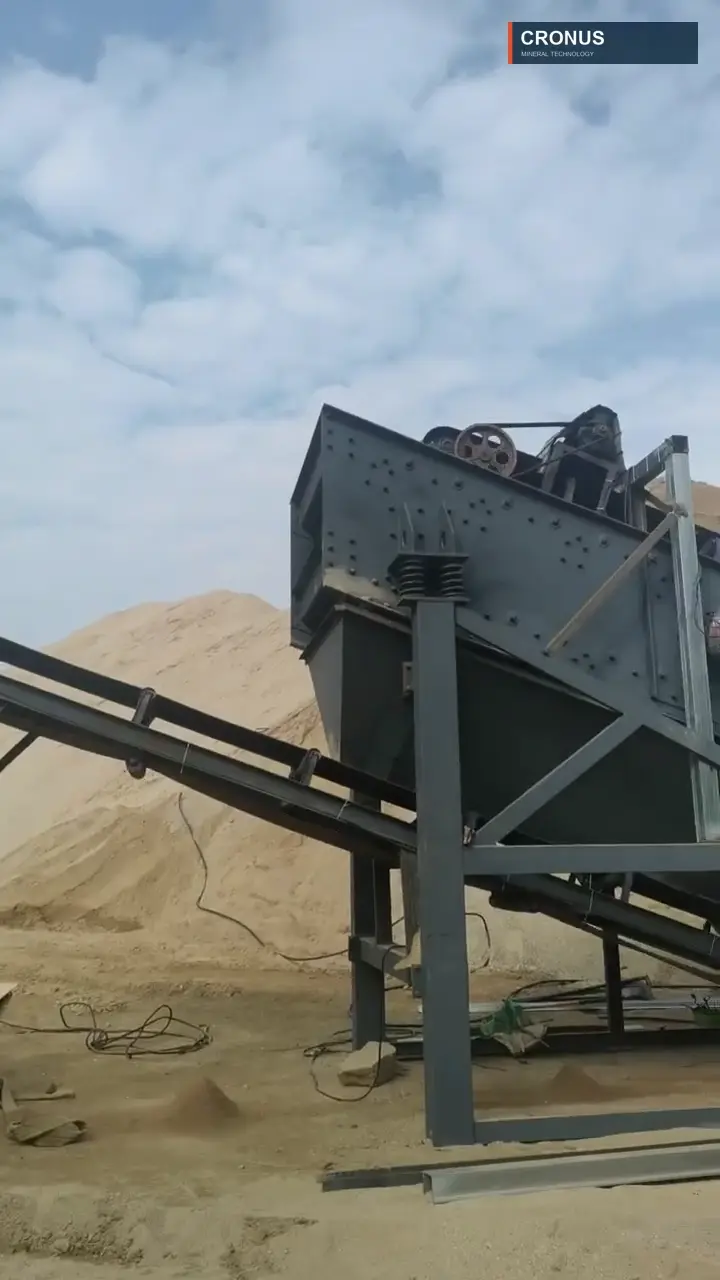
Concrete aggregate, asphalt aggregate, dry-mix mortar and controlled fill.
Moderate-hardness feed for construction sand and aggregate shaping.
Hard rock applications requiring abrasion-aware wear-part selection.
Mineral processing duties where controlled top size and clean feed matter.
Resource recovery routes evaluated through sample testing and circuit review.
Secondary shaping after metal removal and consistent upstream crushing.
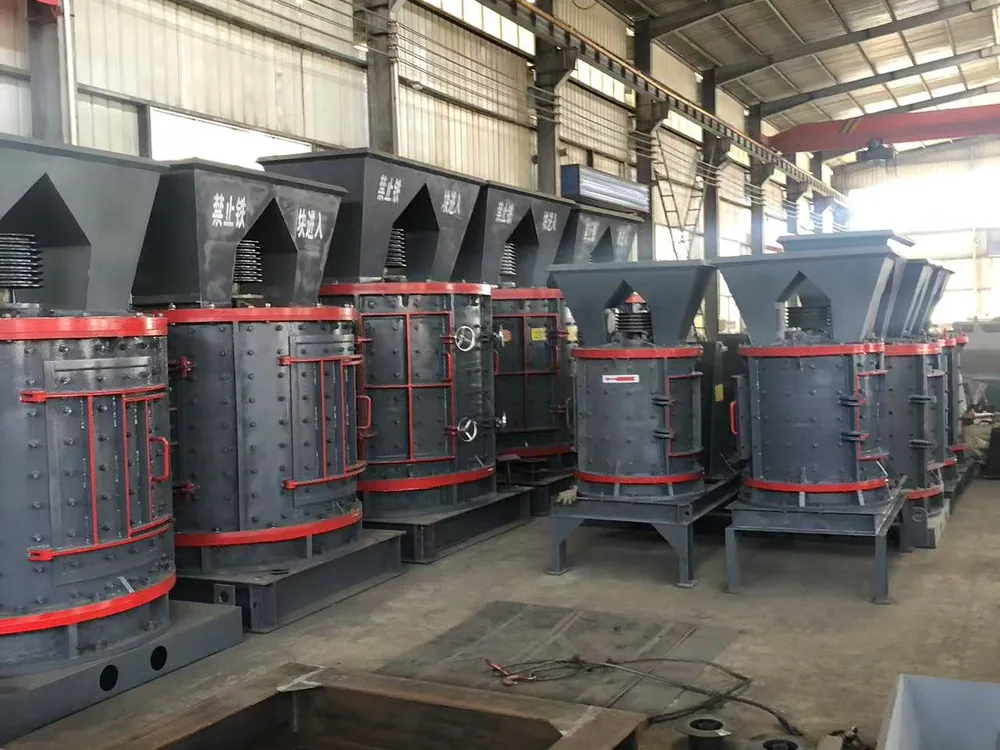
These supplied project clips have been optimized for the web and carry a Cronus watermark. Use them to review machine scale, material flow and workshop inspection access.
Both technologies use impact energy, but they fit different duties. The Cronus vertical shaft platform is a strong candidate when a larger accepted feed, robust internal hammers and straightforward mechanical access are priorities. A high-speed VSI can be preferable for final-stage shaping with tightly controlled smaller feed.
Discuss your feed and target grading| Decision factor | Cronus vertical shaft machine | Conventional VSI |
|---|---|---|
| Typical role | Primary/secondary sand making and reduction | Fine crushing and final shaping |
| Accepted feed | Up to 100-200 mm by supplied model | Often requires a smaller, controlled feed |
| Breakage mode | Hammer impact, chamber impact and inter-particle collision | Rock-on-rock or rock-on-anvil acceleration |
| Maintenance focus | Hammers, liners, bolts, seals and bearings | Rotor tips, anvils, distributor and wear plates |
| Best reason to choose | Flexible top size and rugged, accessible construction | High-speed shaping of pre-crushed feed |
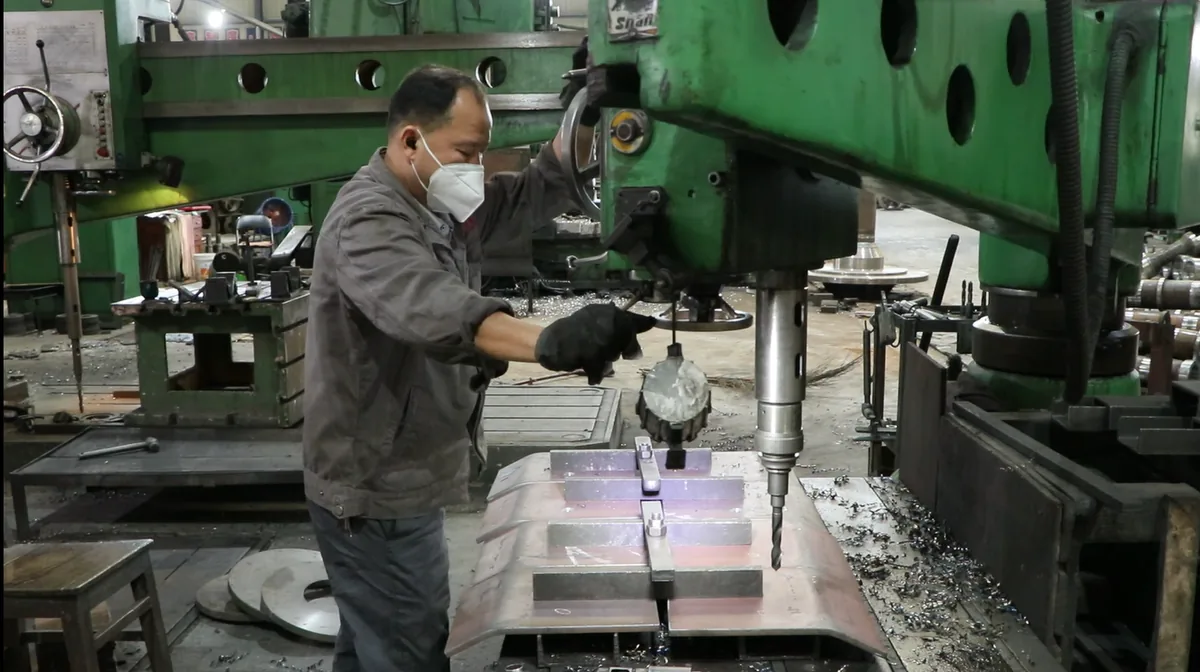
Correct metallurgy and dimensional fit are essential to rotor balance, safe fastening and predictable maintenance. Cronus supplies machine-matched parts with traceable production and practical pricing.
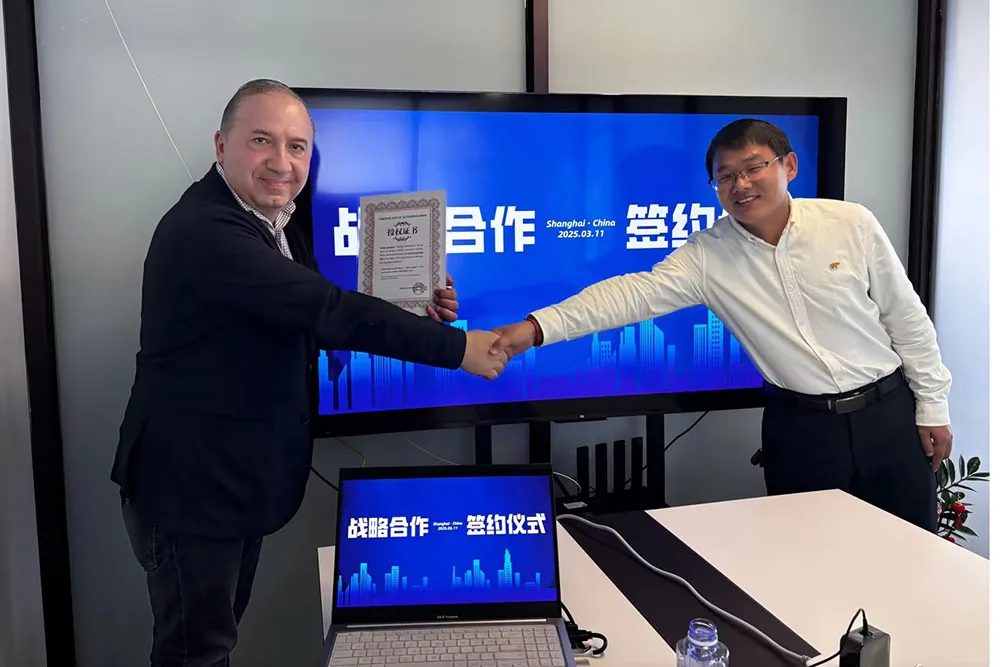
Cronus is a subsidiary of Guilin Mining Machinery, founded in 1973. From casting and machining to assembly and service, the group combines long-term manufacturing practice with modern quality systems and international project support.
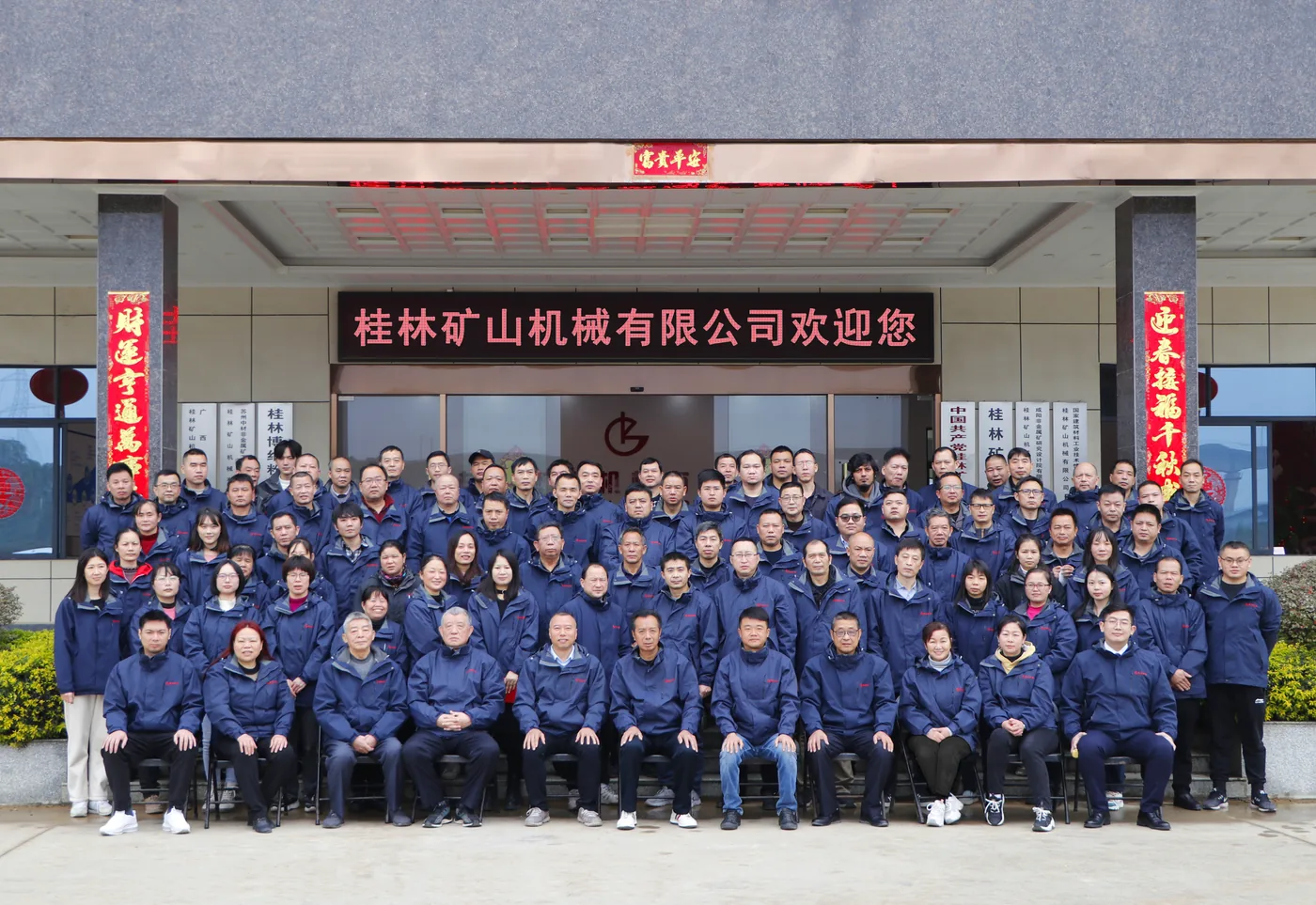
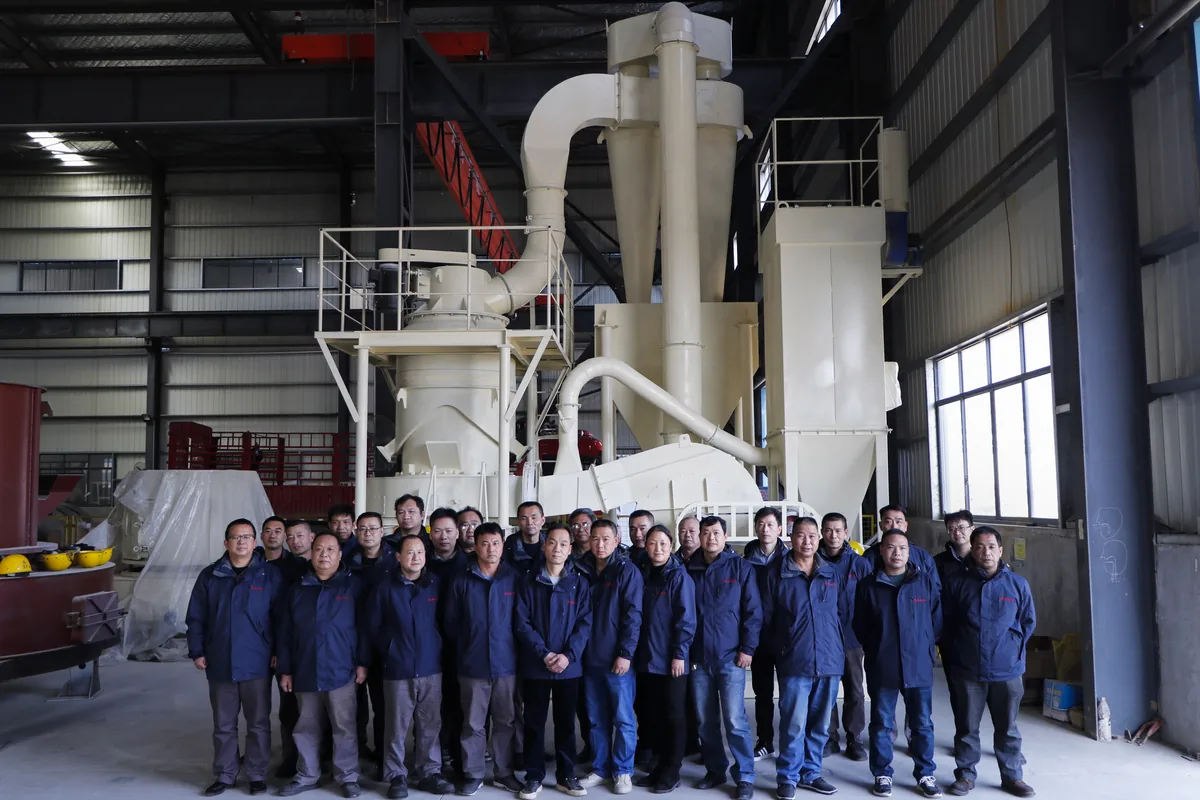
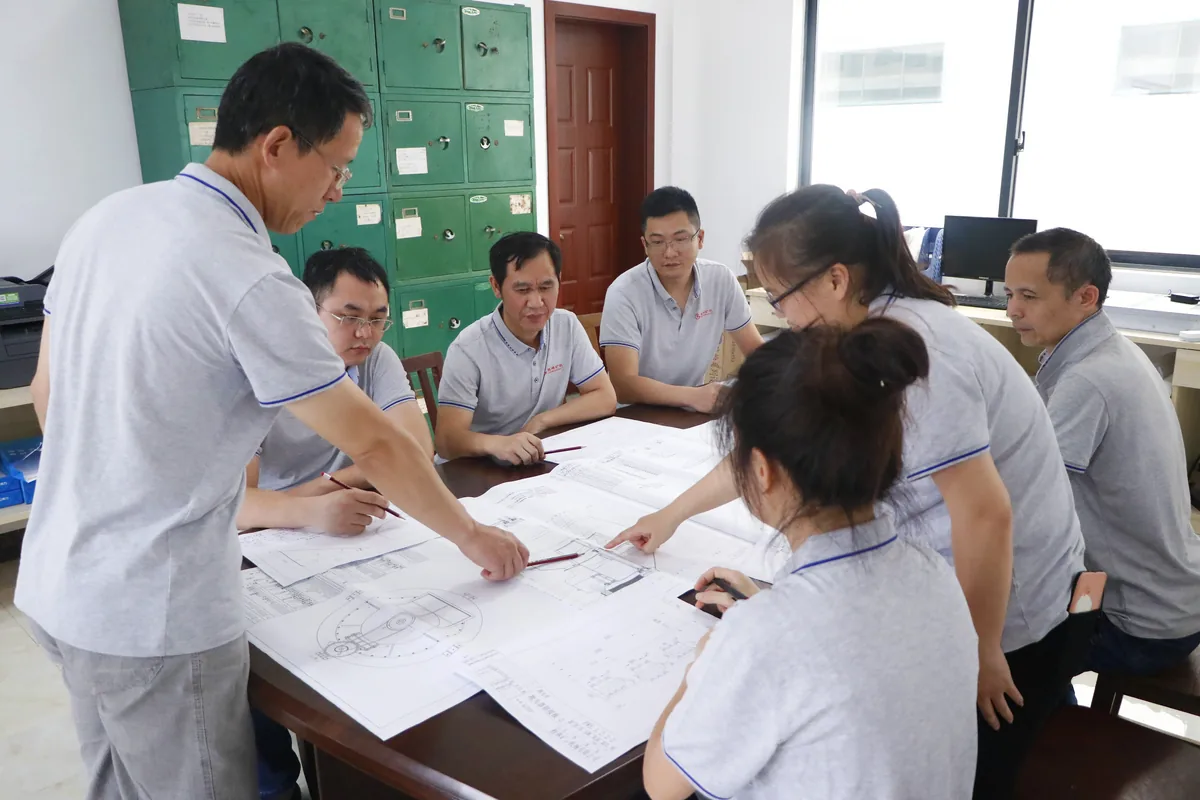
Equipment quality is shaped before final assembly. Cronus coordinates design review, casting, machining, rotor and shaft inspection, assembly, no-load testing, packing and commissioning support.
A sand plant succeeds as a system. Cronus can coordinate the machine with feeding, screening, conveying, dust control and return circuits.
Feed analysis, target grading, moisture, abrasiveness and capacity confirmation.
Flowsheet, equipment matching, layout interface and power configuration.
Manufacturing checkpoints, assembly records and pre-delivery test support.
Installation guidance, trial operation, feed tuning and operator training.
Remote diagnosis, planned wear-part supply and maintenance recommendations.
Keep feed within the selected model's limit. Maintain a uniform feed rate. Inspect hammers, liners and bolts on a planned schedule. Keep bearing temperature below 75°C and investigate any trend increase promptly.
Final selection should always follow material testing and a process review. These answers establish the practical starting point.
Ask the engineering teamA vertical rotor accelerates part of the feed and projects it into the crushing chamber and material curtain. Impact, particle-on-particle collision and friction reduce and shape the material.
Typical candidates include limestone, dolomite, granite, basalt, quartz, feldspar, mineral tailings and recycled aggregate. Suitability depends on hardness, abrasiveness, moisture and contaminants.
The supplied Cronus model sheet lists maximum feed from under 100 mm on models 800/1000 to under 200 mm on models 2300/2500. Stable grading is as important as nominal top size.
Yes, when the crusher is integrated with appropriate screening, controlled recirculation and, where required, fines classification or washing. The complete grading target should be supplied during design.
Capacity depends on model, feed hardness, bulk density, moisture, feed grading, reduction ratio, rotor configuration and screen circuit. A representative sample gives the best basis for selection.
A controlled feeder, upstream crusher where required, vibrating screen, return conveyors, product conveyors, magnetic separation for recycled feed and dust collection form a typical line.
The Cronus vertical shaft machine uses hammers and a robust impact chamber and accepts larger feed by model. A conventional high-speed VSI is frequently selected as a final shaping stage for smaller pre-crushed feed.
Hammers, chamber liners, fastening bolts, seals and bearings require planned inspection. Actual replacement intervals vary widely with silica content, abrasiveness and daily operating hours.
Use a controlled and continuous feed. Avoid sudden surges, prolonged no-load operation and tramp metal. Interlock the feeder with motor load and upstream/downstream equipment where practical.
Keep bearing temperature below 75°C. Stop and investigate abnormal vibration, lubrication problems, sealing failure or a sustained rising temperature trend.
Yes. Cronus can match feeders, crushers, screens, conveyors, dust collection and control interfaces to create a coordinated sand-making circuit.
Provide material name, feed size distribution, moisture, hourly capacity, target product sizes, working hours, local voltage/frequency, site constraints and photos or a material analysis when available.
Send your feed and production targets. A Cronus application engineer will review the duty and prepare a practical configuration instead of a generic price list.